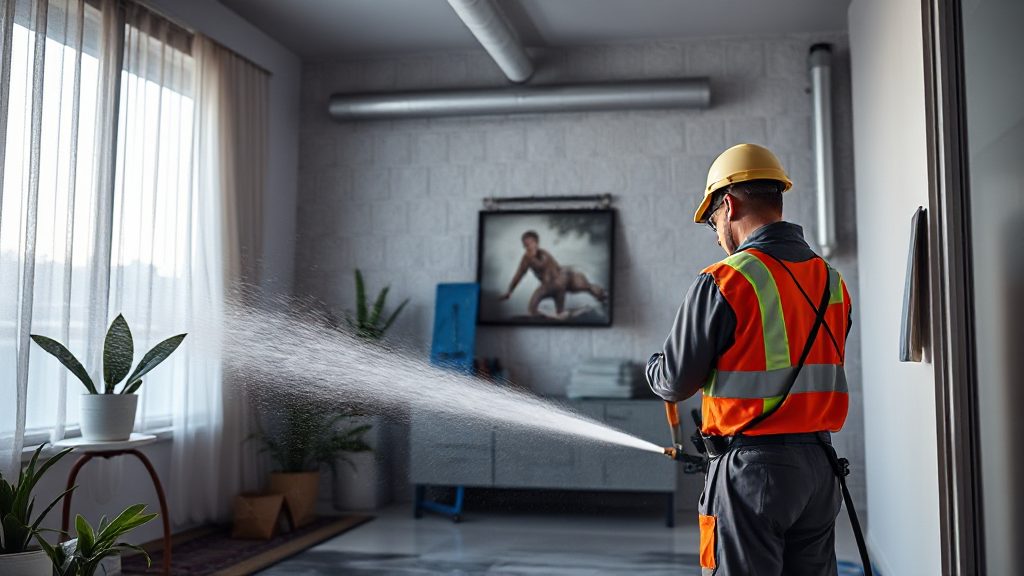
A Day in the Life of a Homeowner Who Called a Desentupidora Suzano
By the end of this account, you will know exactly what happens from the moment a drain backs up in Suzano to the moment the problem is gone — and whether hiring a professional service is worth it compared with the DIY alternatives. I spent a full day following a real emergency call to a desentupidora Suzano team, taking notes on timing, tools, costs and the decisions that mattered. This is not a brochure; it is a comparison of what actually unfolds when you pick up the phone.
Why does a backed-up drain in Suzano become an emergency so fast?
Suzano sits in the Alto Tietê region, where many homes combine older clay or PVC waste lines with newer construction. When roots, grease or a collapsed section blocks the main line, wastewater has only one place to go: up through the lowest drain. In a typical house, that means the floor drain in the service area or the shower tray. Within an hour, the smell is unmistakable and the water starts damaging baseboards and stored items.
The first question I asked the dispatcher was how quickly a team could arrive. The answer was not a guarantee but a process: the call is triaged by address, the type of blockage, and whether raw sewage is already surfacing. Raw sewage backing up is the trigger that moves a job to the front of the queue, because it is a health issue, not just a plumbing inconvenience. If you are comparing options, that triage logic matters more than a shiny website.
I also learned that “emergency” is not a marketing word in this trade. A blocked kitchen sink can wait until morning. A toilet that will not flush and is filling with gray water cannot. The desentupidora Suzano SP team I observed had a checklist for this distinction, and it shaped which truck and which technician were sent first.
What happens in the first hour after you call a desentupidora in Suzano SP?
The call itself took about four minutes. The dispatcher asked for the address, the number of drains affected, whether the water was clear or dark, and whether anyone had already tried a plunger or chemical product. That last point is important: mixing chemical drain cleaners with mechanical clearing can splash caustic liquid, so the technician needs to know before opening anything.
While we waited, the homeowner did two useful things and one unhelpful thing. Useful: she moved boxes off the wet floor and shut off the washing machine. Unhelpful: she poured a second bottle of drain opener down the shower drain. The technician later explained that the product had already done its damage by softening an old PVC joint, turning a simple clog into a small repair.
What the technician checks before touching the drain
On arrival, the first ten minutes are diagnostic. The technician locates the cleanout, checks the water level in the inspection box, and asks which fixtures are affected. A blockage that only affects one sink is local. A blockage that affects the toilet, shower and laundry drain at once is in the main line. That distinction decides whether the job needs a hand auger, a motorized snake or a high-pressure jetter.
The team I followed carried all three on the truck. That is a practical advantage of hiring a company rather than a solo handyman: the right tool is already on site, so the job does not stall while someone drives back for equipment.
Which method actually clears the blockage — snake, jet or vacuum?
This is where the comparison gets interesting. Each method solves a different problem, and a good operator chooses based on what the camera or the water behavior shows.
- Hand auger: best for a short, local clog near the fixture, such as hair in a shower drain. Cheap and fast, but useless against roots.
- Motorized snake: reaches 15 to 30 meters and cuts through soft blockages and light root intrusion. It leaves some grease behind on the pipe walls.
- Hydro-jetting: uses high-pressure water to scour the full pipe circumference. This is the method of choice for grease, scale and recurring clogs in older lines.
- Vacuum truck: removes standing water and sludge from inspection boxes and septic tanks, not from inside the pipe itself.
In the job I observed, the technician started with a motorized snake to confirm the blockage distance, then switched to hydro-jetting because the pipe was a 100 mm main with heavy grease buildup from a rented commercial kitchen. The desentupidora em Suzano SP crew had the jetter on the same truck, so the switch added only twenty minutes.
What surprised me was the cost logic. A snake-only job is cheaper on paper, but if the grease returns in six weeks, you pay twice. Jet-cleaning costs more up front and usually buys a longer interval. The cheapest visit is the one you do not repeat next season — that is the trade-off worth understanding before you compare quotes.
How long does the service take, and what does it cost?
From call to water draining normally, the job took just under three hours. That included forty minutes of travel, twenty minutes of diagnosis, fifty minutes of clearing, and the rest for cleanup and a camera check. A simple sink clog would have been under an hour. A main-line collapse would have been a multi-day repair, not a desentupimento job.
| Scenario | Typical time on site | What drives the price |
|---|---|---|
| Single fixture clog | 30–60 min | Access, tool choice |
| Main line blockage | 1.5–3 h | Pipe length, method, jetter use |
| Recurring grease line | 2–4 h | Hydro-jetting, camera inspection |
| Septic tank full | Half day | Truck capacity, disposal distance |
Prices vary by distance, time of day and disposal fees, so I will not invent a number. What I can say is that the quote structure was explained before work began, and the night surcharge was disclosed on the call. Ask for the after-hours rate before you agree to the visit, because a 2 a.m. call is priced differently from a 2 p.m. one.
What separates a good desentupidora from a risky one?
I compared three providers before the day of the job: a local solo plumber, a national franchise, and the company I followed. The differences were not in the advertising but in four operational details.
- Camera inspection after clearing. A good team shows you the pipe condition, not just a flowing drain. Without it, you cannot tell a cleared pipe from a cracked one.
- Cleanup and disinfection. Sewage is a biohazard. The team I observed sprayed the affected floor and bagged the contaminated rags.
- Written service record. A simple sheet noting the date, method, pipe section and any recommendation is what protects you if the clog returns.
- No pressure to over-sell. A blocked drain does not automatically need a full pipe replacement. If the first quote is a major excavation, get a second opinion.
The franchise option was the most expensive and the slowest to schedule. The solo plumber was cheapest but had no jetter and no camera. The middle option — a local company with a full truck — was the one that actually solved the problem in one visit. Equipment depth matters more than brand size when the blockage is in the main line.
Can you prevent the next blockage without calling anyone?
Yes, for the common cases. The technician gave a short list that costs nothing and prevents most repeat visits. It is worth repeating because it is the part most homeowners skip.
- Never pour cooking grease down the sink, even with hot water. It cools and coats the pipe.
- Use a mesh strainer in the kitchen sink and shower drain; hair and food are the two most common clog materials.
- Flush only toilet paper. “Flushable” wipes are not flushable in older lines.
- Have the septic tank inspected on a schedule, not when it overflows.
- If the same drain clogs twice in a year, ask for a camera inspection instead of another snake job.
One preventive step is worth paying for: an annual hydro-jetting of a commercial grease line. For a home, the equivalent is a camera check every few years in older properties. Prevention is cheaper than the water damage that follows an overflow, and it is the one recommendation that came from every provider I spoke with.
Frequently asked questions about desentupimento in Suzano
Does the company charge a visit fee even if the drain clears itself?
Ask this on the phone. Some providers charge a call-out fee that is deducted from the service if you proceed. Others include the visit in the quote. The team I followed disclosed the fee before dispatching, which is the behavior to look for.
Is hydro-jetting safe for old clay pipes?
It can be, but the pressure must be adjusted and the pipe condition checked first. A camera inspection before jetting is the safeguard. If a provider offers jetting without inspecting, ask why.
What should I do while waiting for the team to arrive?
Stop using water in the affected area, move valuables off the floor, and do not pour more chemical products. If sewage is surfacing, keep children and pets away and ventilate the area. Those three steps reduce the damage before the truck arrives.
By the end of the day, the drain was clear, the floor was disinfected, and the homeowner had a one-page record of what was done. The comparison that mattered was not price alone but whether the provider could diagnose, clear and verify in a single visit. That is the standard to hold any desentupidora Suzano team to when your turn comes.